October 28, 2026 · 3 min read
How to Preserve Childhood Memories Before the Little Details Disappear
Parents know childhood goes quickly.
The surprising part is how quickly the details go.
You will remember that your daughter loved dinosaurs.
You may not remember the name she gave each one.
You will remember that your son was obsessed with garbage trucks.
You may forget that he stood at the window every Tuesday morning in one sock waiting for the truck to turn the corner.
That is why learning how to preserve childhood memories is less about documenting major events and more about noticing ordinary life.
Keep the things a photograph cannot explain
A photo captures appearance.
A video captures movement.
Neither automatically captures meaning.
When something makes you laugh, stop for ten seconds and ask: why was this funny?
Write that down.
When your child says something you immediately text to your partner, save it somewhere permanent too.
When a routine becomes part of family life, describe it before everyone stops doing it and you forget it ever existed.
Those are the memories that become difficult to reconstruct later.
Record their language
Children create temporary languages.
They mispronounce words. Invent explanations. Give objects strange names. Ask impossible questions.
Then, without warning, they learn the proper word.
The old one disappears.
A childhood memory app is particularly useful here because the phone is usually nearby when the moment happens.
Deara supports quick text and voice capture, allowing a parent to preserve either the sentence itself or the story around it.
Save your own voice too
Memory keeping is usually framed as preserving the child.
But you are part of the memory.
Your child may one day want to hear you describing them at three years old.
Not a polished retrospective from twenty years later.
Your voice from now.
Tired, amused, slightly overwhelmed, completely in love.
Voice journaling preserves something writing cannot.
Cadence. Laughter. The pause before you remember the next detail. The sound of the parent you were.
Capture "middles," not only milestones
Milestones already get attention.
Birthdays get photographed. First days of school get photographed. Holidays get photographed.
Ordinary Tuesdays usually do not.
But childhood is mostly ordinary Tuesdays.
That is why a useful memory keeper app should make it easy to capture things that would never qualify for a milestone chart.
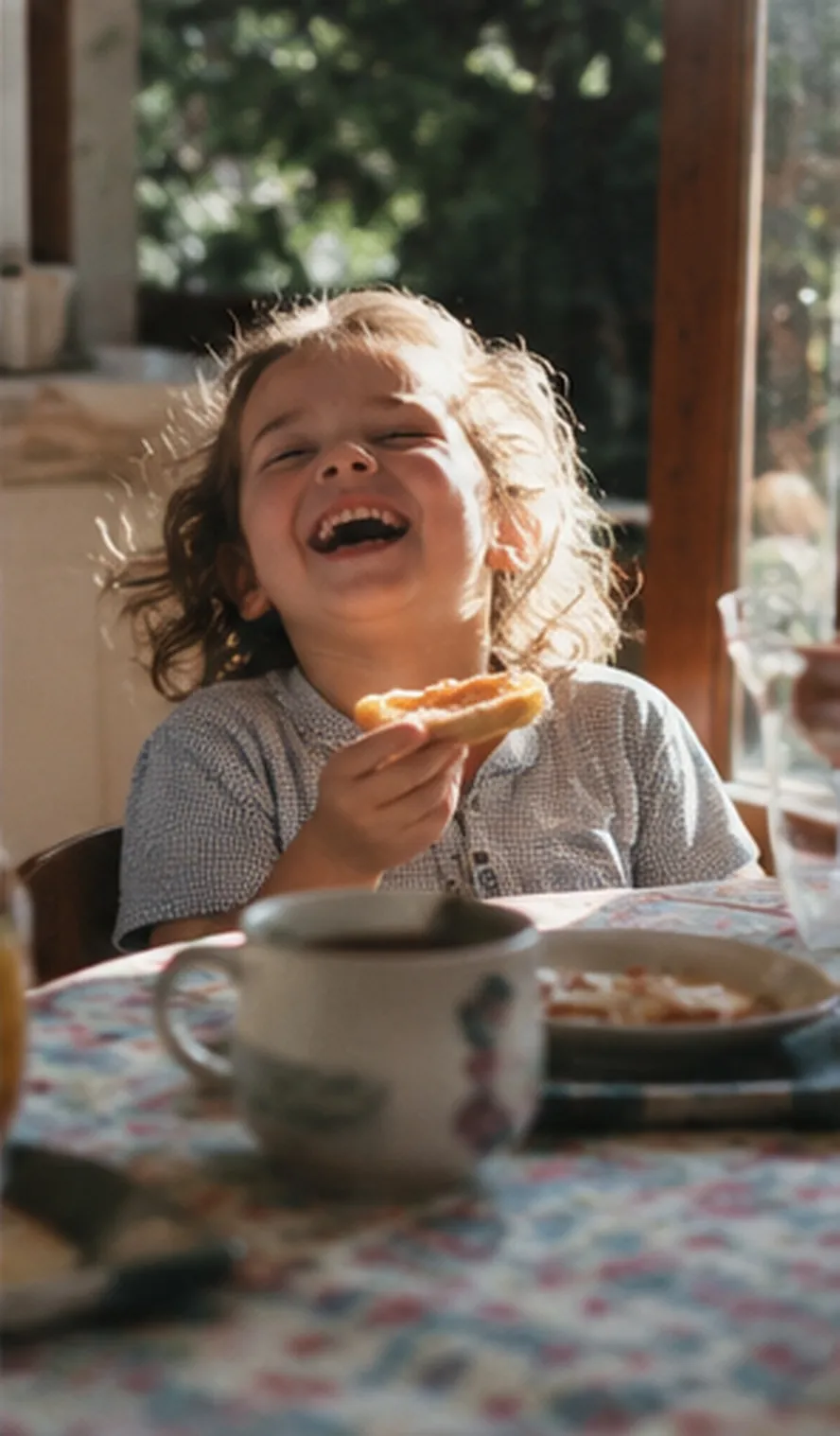
- The way they sit at breakfast.
- The song they request in the car.
- The toy they drag everywhere.
- The bedtime negotiation.
- The family phrase nobody outside your house would understand.
Write letters from the memories
Individual memories are powerful.
But there is something different about gathering them into a narrative.
Deara can turn saved memories into monthly letters, giving parents a way to revisit what happened and create a record addressed to the child.
That solves one of the hardest parts of journaling: "What am I supposed to write?"
You already wrote it.
One moment at a time.
Do not wait until you are caught up
There is no caught up.
You will always have old photos you meant to organize.
You will always remember something from three years ago and wish you had written it sooner.
Start today anyway.
Save the story from breakfast.
Save the sentence they said in the car.
Save the thing that happened before bedtime.
A childhood archive does not need a perfect beginning.
It needs a beginning.